



EKG Technician Program
EKG Technician Program
Request more info
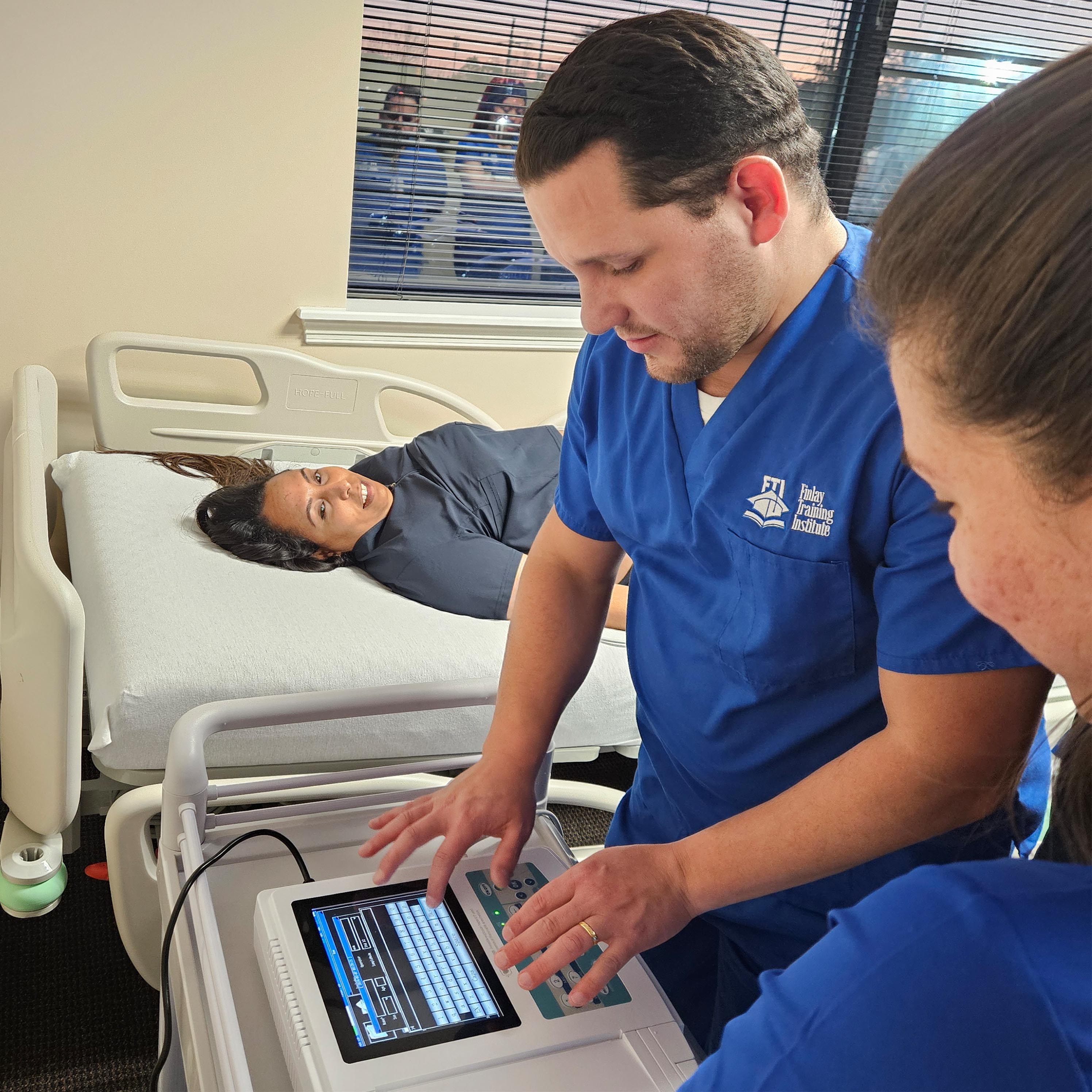
This program prepares students for cardiac monitoring including Holter, 12 Lead EKG, and Stress Testing.
duration: 5 Weeks
Registration Fee: $150 (Includes uniform, Student ID, books and lab supplies)
Delivery Method: On campus or Online
No upfront payment required: Low Weekly payments
Admission Requirements: ID, Social Security Number and High school diploma, GED, or equivalent (international education accepted)
Program Description
The program will cover the key terminology relating to the heart and its basic anatomy and physiology of the Cardiovascular System and an understanding of how an EKG uses electrical conduction to get readings on the function of the heart concepts of cardiac polarization, depolarization, and repolarization.
At the end of the Program, the student will master the functions of a EKG Technician:
Patient Preparation: EKG technicians prepare patients for the procedure, explaining the process and ensuring they are comfortable and relaxed during the test.
Electrode Placement: They apply electrodes to specific areas of the patient’s chest, arms, and legs. These electrodes are connected to the EKG machine to record the heart’s electrical signals.
Operating EKG Equipment: EKG technicians are skilled in operating the EKG machine and ensuring that it functions correctly during the recording process.
Performing EKGs: They conduct electrocardiograms by monitoring the heart’s electrical signals for a specific duration, typically a few seconds or minutes.
Recognizing Abnormalities: While EKG technicians are not responsible for diagnosing conditions, they are trained to identify basic abnormalities in the EKG tracings and notify medical staff if significant issues are observed.
Maintaining Patient Records: They maintain accurate records of the EKG procedures, including patient information, EKG tracings, and any relevant notes or observations.
Calibrating Equipment: EKG technicians ensure that the EKG machine is appropriately calibrated to produce accurate results.
Assisting Medical Staff: They may assist physicians, cardiologists, or other healthcare professionals in performing stress tests or other specialized EKG procedures.
Ensuring Patient Safety: EKG technicians follow safety protocols to ensure patient safety during the procedure and maintain a clean and sterile environment.
Communicating with Patients: They communicate with patients to provide instructions and address any concerns or questions related to the EKG procedure.
Troubleshooting Technical Issues: If there are technical issues with the EKG equipment, technicians may troubleshoot and attempt to resolve them, or report the problems to the appropriate personnel.
After completing the program, students are eligible to sit for the National certifications for EKG Technician. EKG Technician Certification (ETC) from AMCA or Certified EKG Technician (CET) from NHA
Program Outline
- Medical Law and Ethics
- Anatomy and Physiology/ Cardiovascular System
- The Electrocardiograph
- Basic 12-Lead ECG Interpretation
- Role Play
- Preparing for Today’s Healthcare Workforce
- Graduates of this program receive a certificate.
- Electronic Medical Record
- EKG Interpretation
Program Highlights
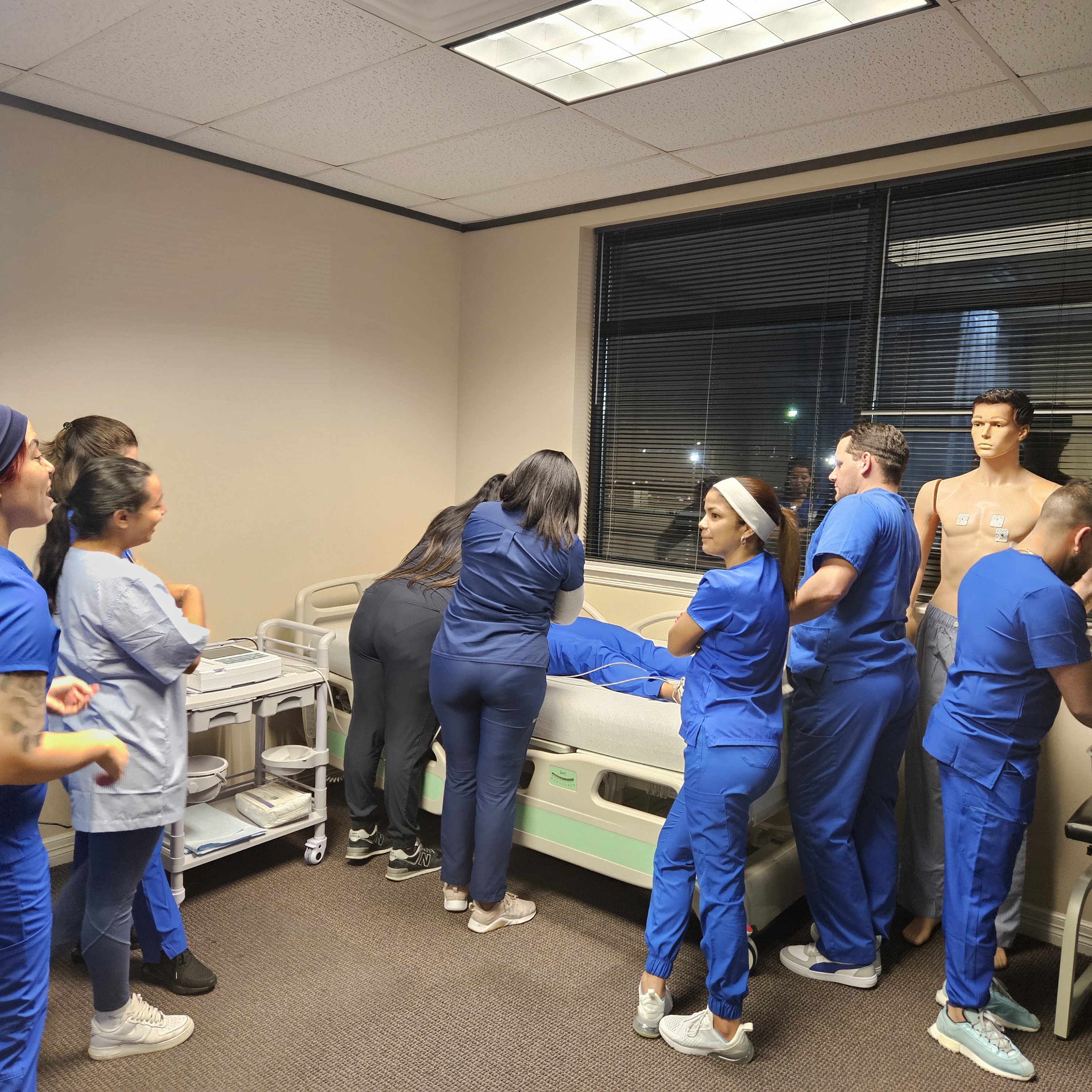
Real EKG Procedures
Flexible schedules with day, evening, and weekend options available
24/7 access to online lessons, quizzes, videos, and study materials through our Student Portal
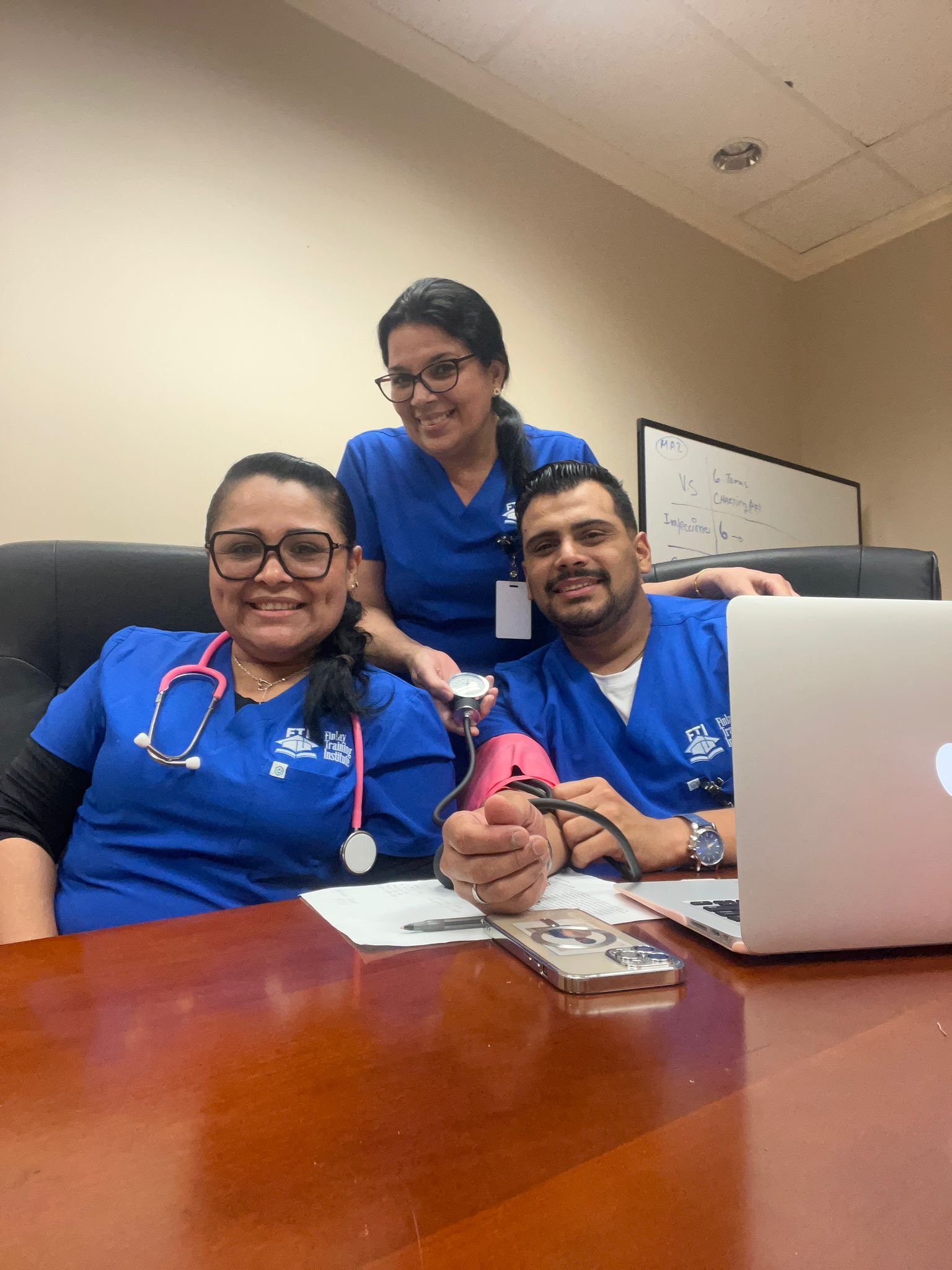
In-Person Lectures
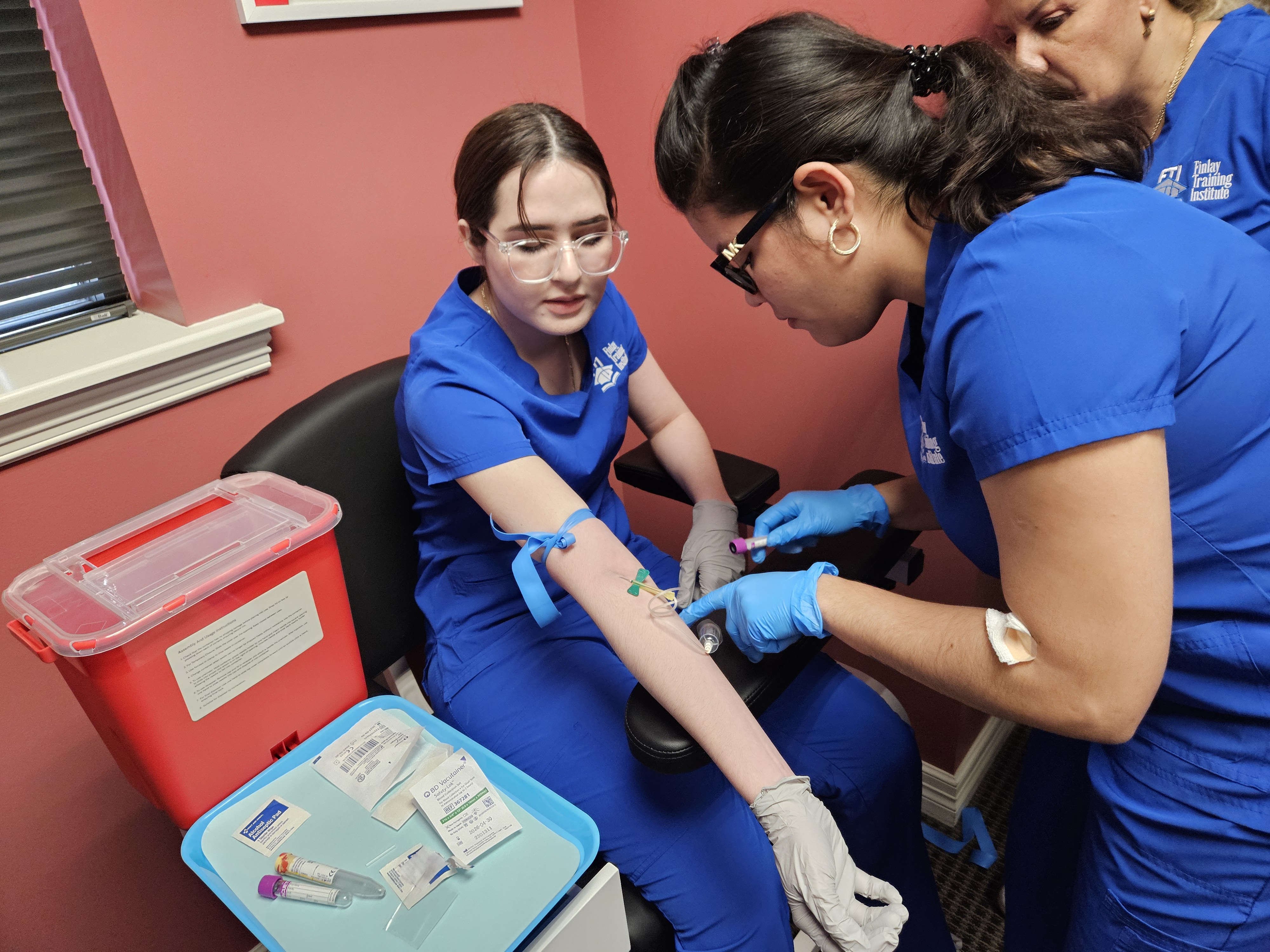
Hands-on training

Upon completion of the EKG Technician Program, the student will be able to:
Clinical Duties:
Perform 12-lead EKGs accurately and efficiently
Prepare patients for EKG testing
Place electrodes correctly and ensure proper skin preparation
Recognize and document normal and abnormal heart rhythms
Assist providers in cardiac testing procedures
Operate EKG machines, Holter monitors, and event monitors
Maintain and clean equipment according to clinical standards
Communicate results and observations to the healthcare team
Follow safety, infection control, and HIPAA guidelines
Administrative Duties:
Prepare and maintain patient records in EMR systems
Communicate clearly with patients, nurses, and providers
Schedule and coordinate EKG appointments and follow-up testing
Manage equipment logs and ensure testing rooms are prepared
Assist with basic front-office duties in a clinical or hospital setting
Follow compliance, safety, and HIPAA documentation requirements
National Certification Partners
We prepare students for nationally recognized certifications through industry-leading organizations, including:
AMCA
American Medical Certification Association

NHA
National Healthcareer Association
PCTB
Pharmacy Technician Certification Board
HHS
Texas Health & Human Services
Frequently Asked Questions
Find quick answers to common questions about our programs, pricing, and registration process.
Do I need previous healthcare experience to enroll?
No prior healthcare experience is required. Our programs are designed for beginners and career changers. We teach all foundational skills you need to succeed.
Are classes offered during evenings or weekends?
Yes. We offer flexible schedules, including morning, evening, and weekend options.
Is there a certification exam after I graduate?
A national certification exam is not mandatory. Finlay Training Institute is a licensed and approved school, and many of our graduates are successfully working with the certificate they receive from our institute.
However, some employers may prefer or require a national certification, so we strongly recommend students take one. We prepare you to sit for nationally recognized exams through:
NHA – National Healthcareer Association
AMCA – American Medical Certification Association
PTCB – Pharmacy Technician Certification Board
Do your programs include hands-on training?
Yes. Hands-on training is a core part of every program. Students practice skills in labs, simulations, and real clinical environments to build confidence and experience.
What do I need to enroll?
Enrollment requirements vary by program, but generally include:
- A government-issued ID
- Social Security Number
- High school diploma, GED, or equivalent (international education accepted depending on the program)
Your admissions advisor will review your specific situation and confirm exactly what you need.
For personalized guidance, call us at 832.871.4800 and we’ll walk you through the full requirements for your case.
Do you offer financial aid or payment plans?
Finlay does not work with federal financial aid programs at this time. Our goal is to keep tuition affordable and accessible for all students without long-term commitments.
However, we do offer flexible payment plans, including:
- Low weekly payments
- No contracts
- No long-term risk
- Simple, student-friendly enrollment options
Does Finlay help with job placement?
Absolutely. We provide externship opportunities, resume support, interview preparation, and job placement assistance to help you transition smoothly into the workforce.
What is included in the Student Portal?
Students receive 24/7 access to quizzes, practice exams, training videos, class recordings, interactive lessons, EMR practice systems, assignments, and study materials — all in one place.
What is included in the Student Portal?
Students receive 24/7 access to quizzes, practice exams, training videos, class recordings, interactive lessons, EMR practice systems, assignments, and study materials — all in one place.
What is the cost of the program?
Program costs vary depending on the course and duration. However, you do NOT need to pay the full tuition upfront.
To begin, you only pay a $150 registration fee, which includes:
- Uniform
- Student ID
- Books
- Lab supplies
After that, you pay your tuition as you go with low weekly payments, which typically range from:
$120 to $265 per week (depending on the program length)
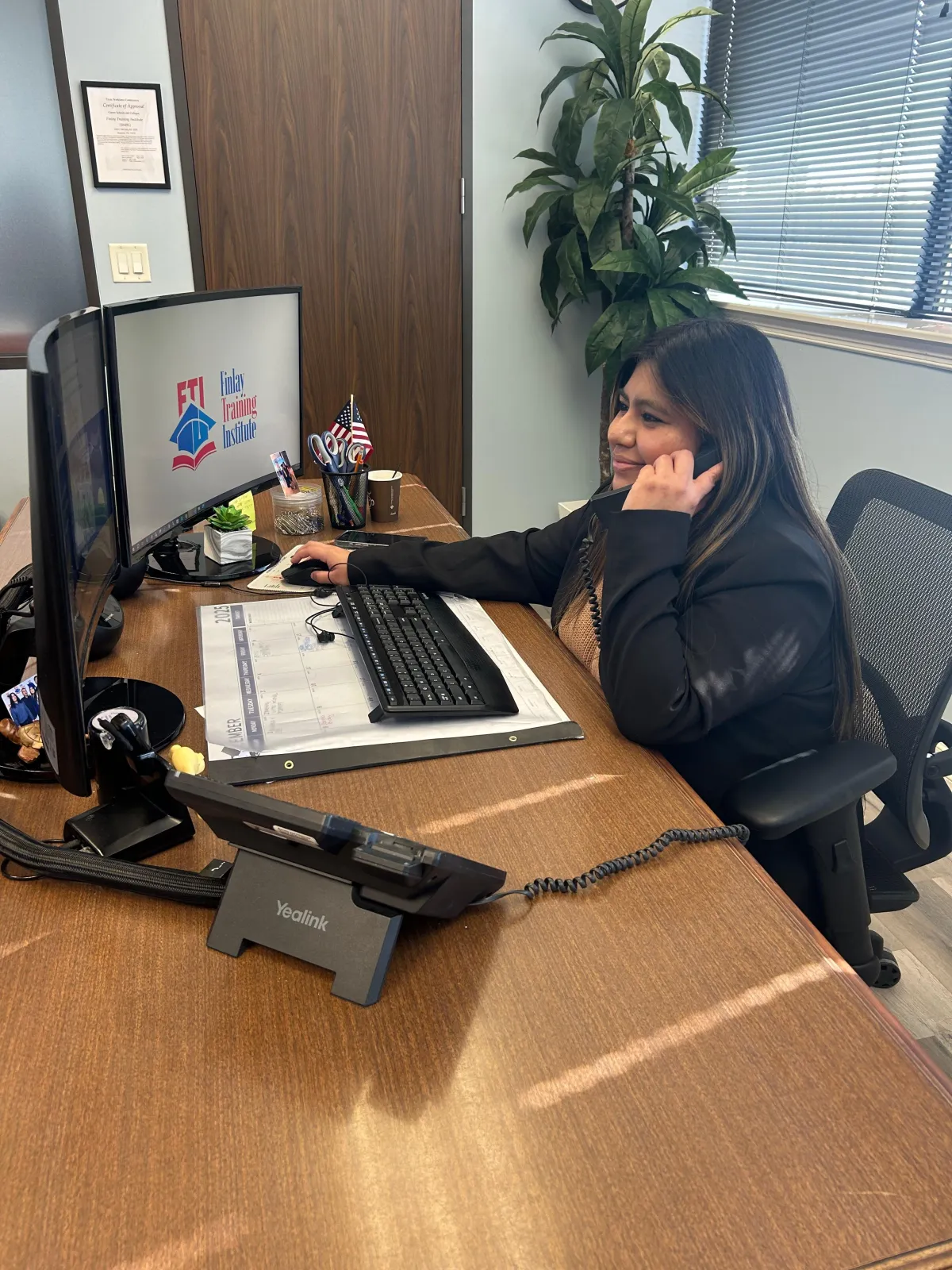





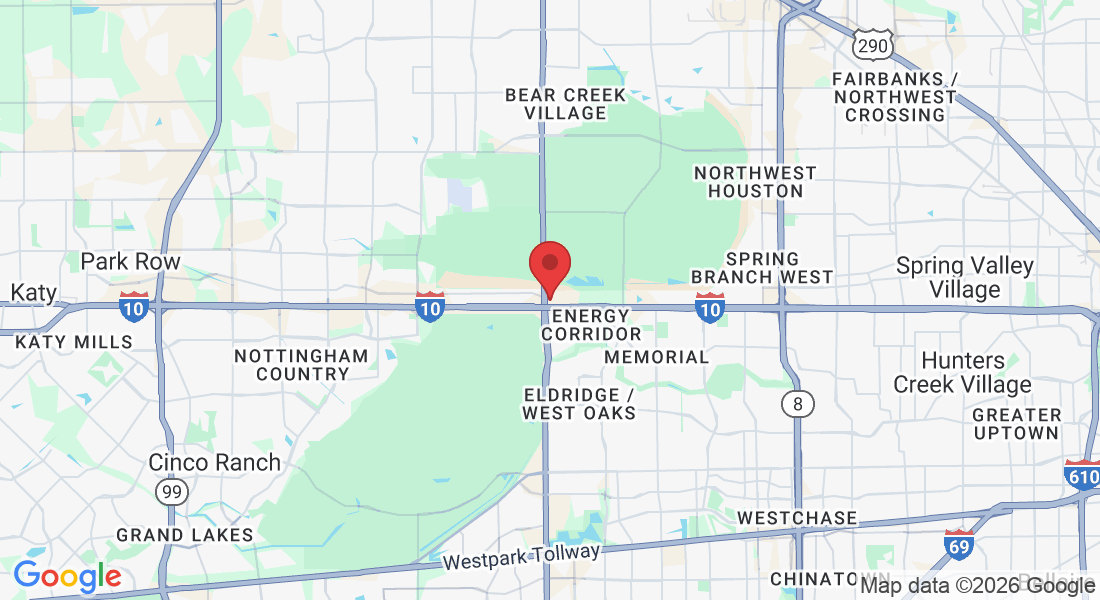
Houston Campus
14521 Old Katy Rd, Suite 200,
Houston, TX 77079

Call Us
(832) 871-4800

Send us a Mail

Opening Hours
Mon-Thu: 9:00 AM - 7:00 PM
Fri-Sat: 9:00 AM - 4:00 PM
Get in Touch with us
We’re here to help anytime

Call Us

Mail Us

Opening Time
Mon -Sat: 7:00 - 17:00
Contact US
Houston:
14521 Old Katy Rd, Suite 200, Houston, TX 77079
Dallas:
2080 TX-360 Ste 200, Grand Prairie, TX 75050
Phone:
(832) 871-4800
Email:
[email protected]
Programs
Medical Assistant
Phlebotomy Technician
EKG Technician
Pharmacy Technician
Nurse Aide (CNA)
© Copyright 2007-2026. Finlay Training Institute. All Rights Reserved.